
This article is for general information only and is not medical advice. If you think you have an infection, speak to a pharmacist or your GP.
The short answer
Clove, black walnut hull and wormwood are the three herbs you will find in most parasite cleanse products. All three contain compounds that affect parasites in laboratory and animal studies. None of them has been shown in good-quality human trials to clear a parasite infection, and each has safety points worth knowing about. They are not a substitute for a diagnosis and proven treatment.
Why these three herbs?
The usual explanation is that the three herbs target different stages of a parasite’s life cycle: clove for the eggs, and black walnut and wormwood for the adults and larvae. It is a neat idea and it has been repeated for decades, but it has not been tested in human trials. What we do have is research on each herb separately, mostly in the lab.
Cloves
Cloves are the dried flower buds of the clove tree (Syzygium aromaticum). They have a very strong aroma and flavour, which comes mainly from an oily compound called eugenol. Eugenol is also found in smaller amounts in bay leaves, basil, nutmeg and cinnamon.
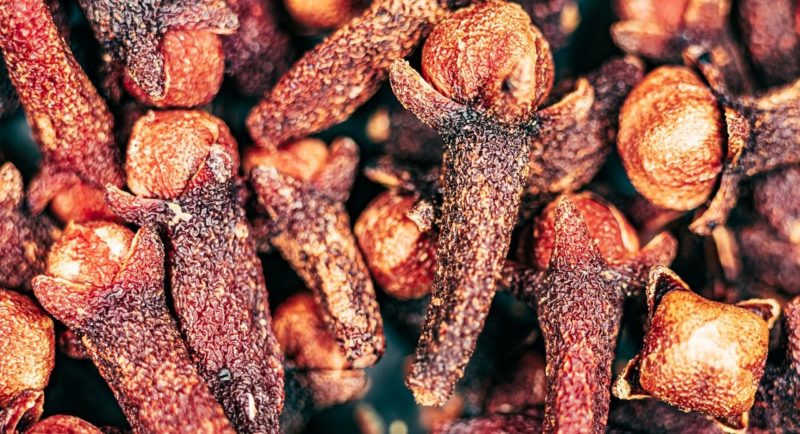
What the research shows. Eugenol has been tested against several parasites in laboratory and animal studies, including the parasites that cause malaria and leishmaniasis, and the gut parasite giardia. In one animal study of blood flukes, it reduced the total number of worms by about 19%. That is a modest effect, and results in a dish or in mice often do not carry over to people. The idea that clove dissolves parasite eggs in the human gut has not been tested.
Safety. Cloves used as a spice are safe for most people. Concentrated clove oil is a different matter. Swallowing clove oil has caused serious liver injury, particularly in children, so it should never be taken by mouth or given to a child.
Black walnut hull
Black walnut (Juglans nigra) is a relative of the common walnut. Its green outer hull contains a compound called juglone, which the tree releases into the soil and which stunts the growth of many plants around it.
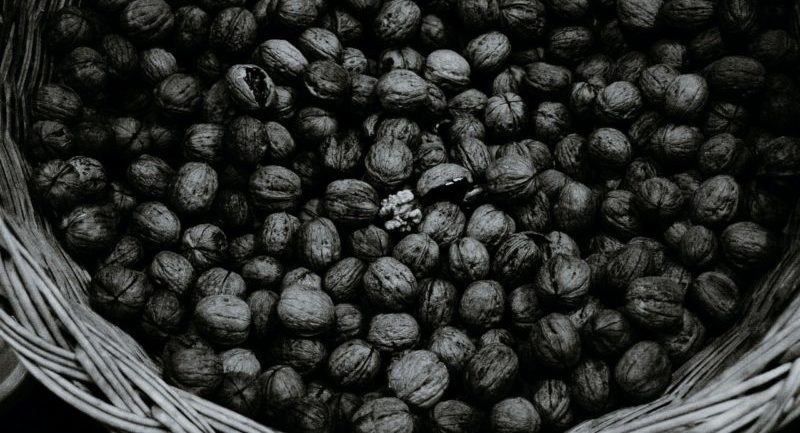
What the research shows. Juglone has shown activity against some single-celled parasites in the laboratory, including Toxoplasma gondii. There are no human trials of black walnut hull for any parasite infection.
Safety. Very little is known about the safety of black walnut hull supplements, especially with long-term use. Avoid them if you have a tree nut allergy, and during pregnancy and breastfeeding.
Wormwood
Wormwood (Artemisia absinthium) is an intensely bitter herb that has been used in traditional medicine for centuries. It is the herb that gives absinthe its name. It is not the same plant as sweet wormwood (Artemisia annua), which is the source of the malaria medicine artemisinin.
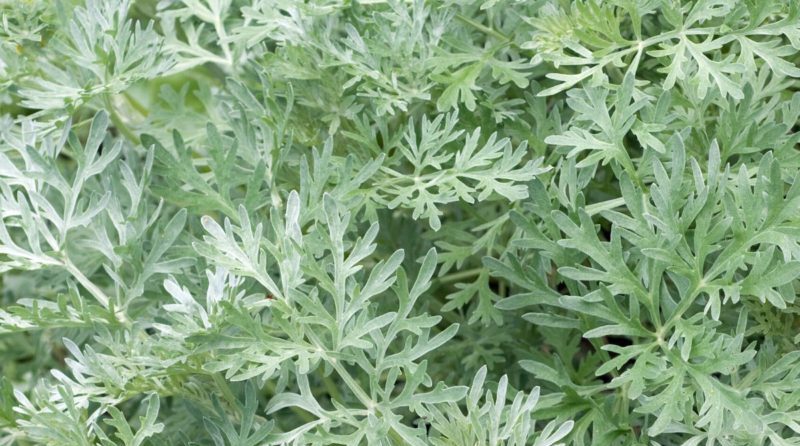
What the research shows. Human studies are scarce. In one laboratory and animal study, a wormwood extract paralysed and killed dwarf tapeworms, and the effect increased with the dose. The researchers compared it with the standard medicine praziquantel. This is early research, not evidence that wormwood treats tapeworm in people.
Safety. Wormwood contains thujone, which can be toxic to the nervous system in large amounts. The European Medicines Agency recognises wormwood only as a traditional remedy for temporary loss of appetite and mild indigestion, for short-term use of up to 2 weeks. It is not recommended during pregnancy or breastfeeding, or for anyone under 18. Many cleanse programmes suggest taking it for a month or longer, which is well beyond that.
What this means in practice
- The evidence for all three herbs comes from laboratory and animal studies. That is a reason for more research, not proof that they work in people.
- Herbal products are not checked for strength or purity in the way medicines are, so the dose can vary a lot between brands.
- Natural does not mean risk-free. Wormwood and clove oil in particular can cause harm at high doses or with long use.
- If you take prescribed medicines, check with a pharmacist before using any of these herbs.
If you think you have a parasite
Parasite infections can be tested for and treated. See a pharmacist if you have small white worms in your poo that look like pieces of thread, or extreme itching around your bottom at night. This is likely to be threadworms, which are treated with medicine from a pharmacy.
See a GP if you find a large worm or a piece of worm in your poo, have a red, itchy, worm-shaped rash, have sickness, diarrhoea or stomach ache for longer than 2 weeks, or are losing weight for no reason. The GP may ask for a poo sample, and treatment is usually a medicine that you take for 1 to 3 days.